
Mediterranean Interiors Without the Clichés
- julie7974
- Jun 27
- 7 min read
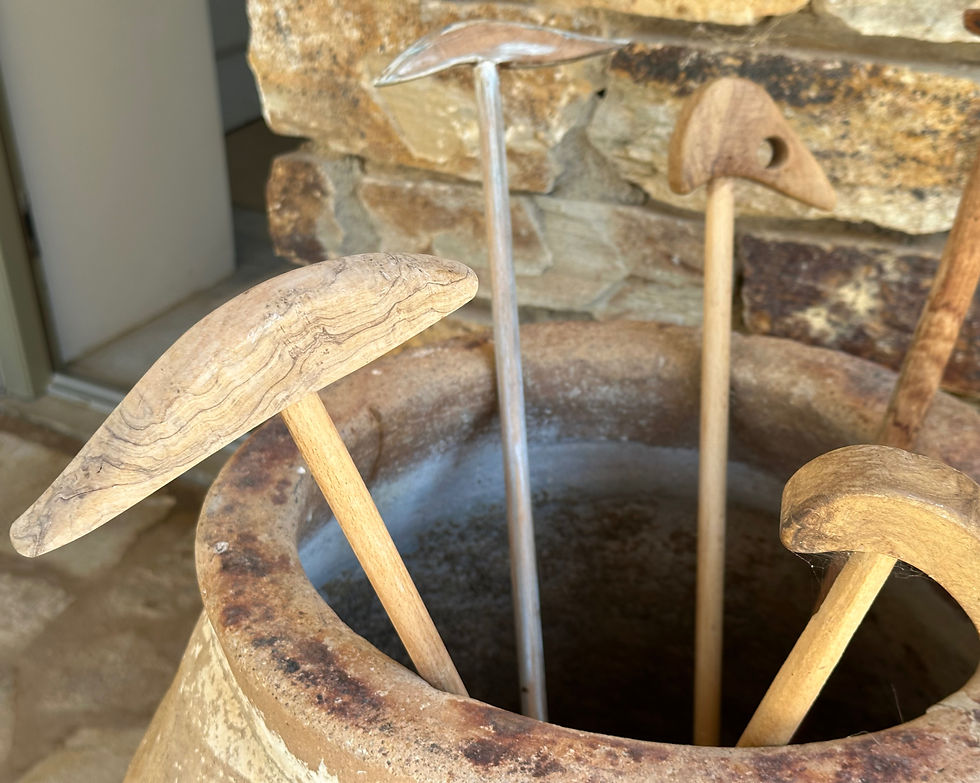
How to create a home in Greece that feels rooted in its setting, without becoming predictable
Mediterranean interiors are often reduced to a familiar formula: white walls, blue accents, rustic timber, linen curtains, terracotta pots and a few references to classic Greek island life.
There is nothing wrong with any of these elements. Used well, they can be fresh, simple and very appropriate. The difficulty comes when they are treated as a theme. A home can quickly begin to feel more like a holiday image than a place where people actually live.
For me, the most successful interiors in Greece are not the ones that announce themselves too loudly as “Mediterranean”. They are the ones that feel connected to the architecture, the light, the climate and the people who live there. They belong to their setting, but they also feel personal.
Start with the house, not the idea of a style
Every home in Greece is different.
A city apartment in Athens has a very different character from a stone house on an island. A contemporary villa by the sea asks for a different approach from a family home in the suburbs. Even houses that appear similar at first can vary enormously depending on their proportions, views, orientation, light and how they are going to be used.
That is why I think it is important to begin with the house itself, not with a fixed idea of “Greek style”.
The architecture should lead the design. So should the way the rooms are used, the direction of the sun, the relationship between inside and outside, and the practical needs of the people living there. A house used for summer holidays will need different decisions from a permanent family home. A house for frequent guests will need to work differently from a quieter retreat.
Good interiors are not created by applying a look. They come from understanding the place and then making considered decisions.
Work with light, not against it
Light is one of the great pleasures of living in Greece, but it is also one of the biggest design considerations.
The daylight can be extremely strong, particularly in summer, and interiors that look calm in photographs can feel stark or uncomfortable in reality if there is no softness or contrast. White walls may seem like the obvious answer, but too much white, without texture or depth, can feel flat and unforgiving.
Curtains, blinds, shutters, rugs, lamps, upholstery and artwork all help to soften a room. Texture becomes very important. So does shadow.
Evening light matters just as much as daylight. Many Greek homes rely too heavily on one central ceiling light, which can make a room feel harsh at night. A more layered approach is usually much better: table lamps, wall lights, reading lights, concealed lighting and softer pools of light in the right places.
A Mediterranean interior should not only look good at midday with the doors open. It should feel comfortable in the evening, in winter, and on the quieter days when the house is being lived in rather than simply admired.
Use natural materials with restraint
Stone, timber, linen, cotton, plaster, ceramic and metal all sit naturally in a Greek home. They respond well to the climate and they age more gracefully than many synthetic finishes.
But natural materials do not have to mean rustic. A timber table can be simple and refined. Linen can be crisp rather than crumpled. Stone can be used with discipline. Ceramics can be sculptural rather than decorative.
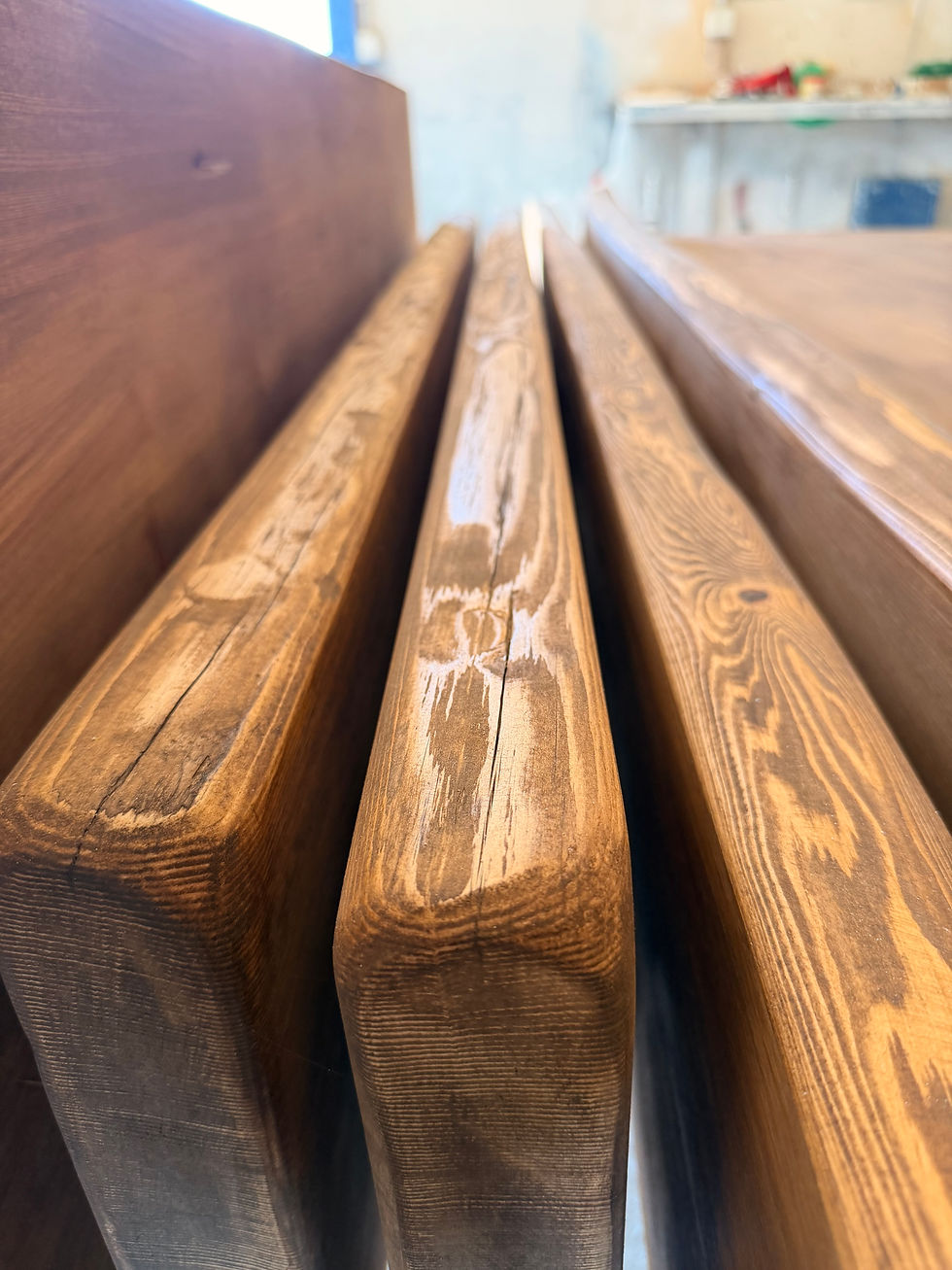
The important thing is restraint.
When every surface is textured, every piece is handmade-looking and every detail is trying to say “Mediterranean”, the result can become heavy. It is often better to allow one or two materials to carry the atmosphere of a room, and then give them space.
A plain plaster wall, a good timber piece, a woven rug, a beautiful ceramic lamp or an old chair can say far more than a room full of obvious references.
Move beyond the blue-and-white formula
Blue and white will always have a place in Greece. They are part of the landscape and the visual memory of the Cycladic islands. But they do not need to dominate every interior.
A more interesting palette can still feel entirely appropriate: chalky whites, warm neutrals, stone, sand, tobacco, olive, ochre, soft black, dark timber, faded reds, deep blues used sparingly. These colours often sit more naturally with the landscape than a very bright, literal blue and white scheme.
Colour does not always need to be the main statement. Sometimes it is the depth of a timber finish, the tone of a stone floor, the weight of a woven fabric or the contrast of a dark metal detail that gives a room its character.
The aim is not to avoid colour. It is to avoid turning the house into a postcard.
Mix old and new
One of the best ways to avoid a predictable Mediterranean interior is to mix periods and sources.
Contemporary furniture can work beautifully in Greece, especially when balanced with older pieces, local craftsmanship, vintage objects or furniture that has travelled with the owners. A room becomes much more interesting when it does not look as though everything was bought at the same time from the same place.
Older pieces bring depth. They can also make a new or renovated house feel more settled. This might be an antique chest, a mid-century chair, a family table, a pair of lamps, a piece of art, or a simple object with personal meaning.
The mix does not have to be complicated. In fact, it usually works best when it feels natural. A contemporary sofa, an old wooden table, a good rug, a ceramic lamp and a few carefully chosen objects can create a room with far more life than a complete matching scheme.
This is also where local sourcing can be valuable. Greece has skilled craftspeople, upholsterers, carpenters, metalworkers and makers. Used well, bespoke or locally made pieces can give a house individuality and solve practical problems at the same time.
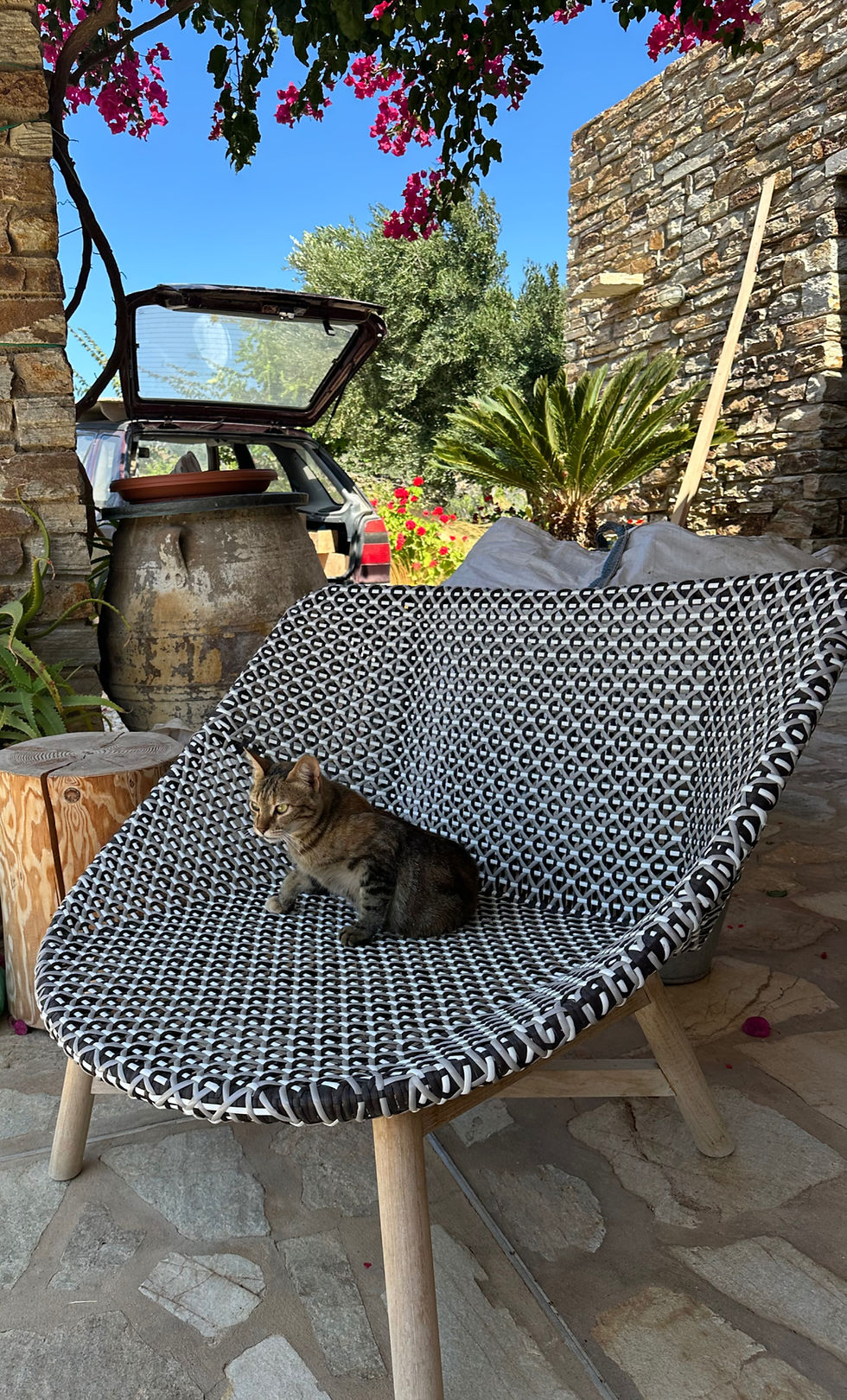
Design for real life, not only for summer
Many people imagine their Greek home in summer: doors open, meals outside, pale fabrics, bare feet, sea air. That is a lovely part of the picture, but it is not the whole of it.
A home still has to work when the weather changes. It has to work at night. It has to work for children, guests, cooking, storage, working from home, reading, resting and everyday routines.
Comfort matters. Proper seating matters. Good beds, practical storage, useful lighting and well-planned dining areas matter. So do places to put shoes, beach towels, laptops, toys, shopping, linen and all the things that never appear in beautiful photographs.
This is where interior design becomes much more than decoration. It is about how a home functions, how it feels to live in, and whether the decisions made at the beginning will still make sense later.
A house can be elegant and practical. In fact, it usually needs to be both.
Let the owners remain visible
The most memorable homes are not perfect in a showroom sense. They have a point of view. They reflect the people who live there.
This is particularly important for international clients creating a home in Greece. The house should respond to its setting, but it should not erase the owners’ own history, habits or taste. A successful interior can include pieces brought from another country, new local commissions, inherited furniture, contemporary design and personal objects. The balance is what gives the home its identity.
A Mediterranean interior does not have to look the same for everyone. It should not.
For one family it may be relaxed, layered and full of texture. For another it may be cleaner, more architectural and restrained. For someone else it may involve colour, art, antiques or a strong connection between indoor and outdoor living.
The important thing is that the home feels considered rather than themed.

A more personal kind of Mediterranean design
Mediterranean design is at its best when it feels effortless, but that does not mean it has happened by accident. The simplicity often comes from many careful decisions: what to keep, what to remove, what to soften, what to emphasise, what to source locally and where to allow the architecture to speak for itself.
A home in Greece does not need to be filled with obvious signs of Greece. It does not need to rely on blue and white, rustic finishes or decorative gestures.
It needs to belong: to the climate, to the architecture, to the landscape and to the people who live there.
That, for me, is where the real beauty of a Mediterranean interior lies.


Comments